Born in Mdantsane · Built for human independence

Independence,
described in your language.

Multilingual AI smart glasses designed to help blind and low-vision people understand their surroundings and move with greater confidence.

Concept design · form-factor ambition

Recorded software test · faces blurred for privacy

It notices people
as they move.

Recorded in a busy restaurant: our software finds people and follows them as they walk. It is the foundation for short, spoken guidance.

  1. 01Sees
  2. 02Understands
  3. 03Speaks
  4. 04Protects
Inside the perception loop

Watch the glasses
think in real time.

An interactive simulation of what the glasses notice, what they decide matters, and the one short phrase they say. It illustrates the experience—not the underlying implementation.

The engineering behind it
Glasses say Listening to the scene…
  1. 01

    Sense

    A forward-facing camera sees what the wearer is facing.

  2. 02

    Perceive

    People and everyday objects are recognised and followed moment to moment.

  3. 03

    Decide

    Only what matters is kept: what is close, in the walking path, or getting closer.

  4. 04

    Speak

    One short phrase in the wearer's language—and silence when nothing matters.

The wearer is
Guidance language · tap to hear it

Design rule: the glasses never announce that a path is “clear”. They describe what they notice and leave every decision with the user.

Built for South Africa

Six languages.
One short phrase.

Guidance in English, isiXhosa, isiZulu, Sesotho, Sepedi and Afrikaans, with native-speaker voices for key warnings.

Play a guided journey

LEAP East · Hong Kong

From the Eastern Cape
to the world stage.

A Grade 11 idea from Mdantsane, now a top-150 LEAP global finalist, featured on CGTN and in national media.

Watch the full one-minute film from Hong Kong

The team

A multidisciplinary team
built for execution.

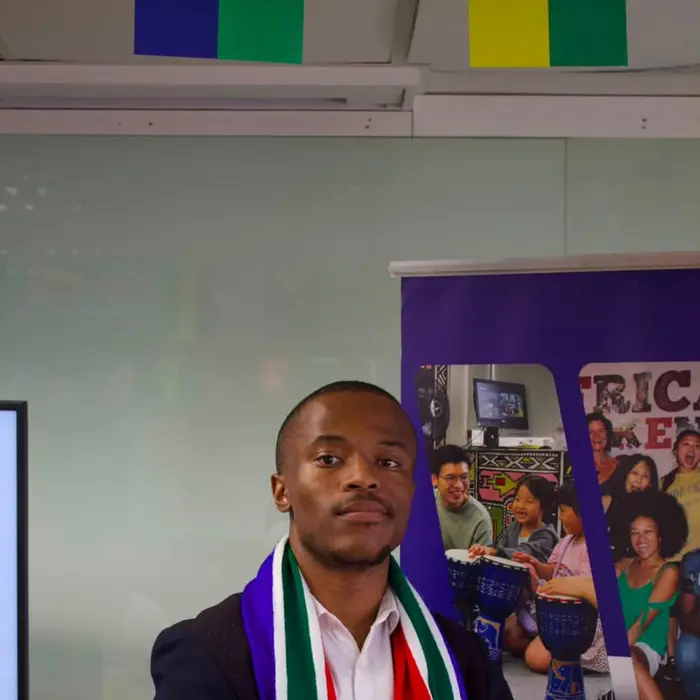
Elihle Amahle Stali

Elihle Amahle Stali

Founder & CEO

Software, AI, product strategy and partnerships
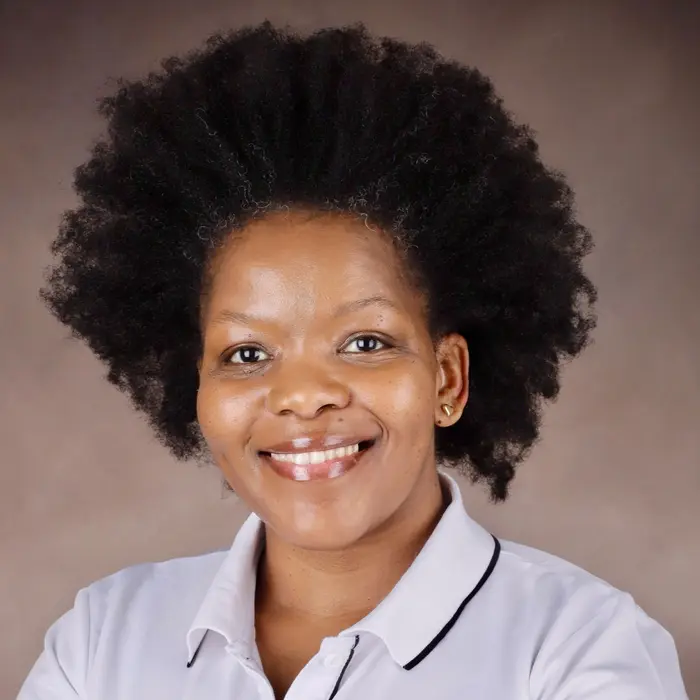
Nomzamo Nkatshu

Nomzamo Nkatshu

Business Development & Operations

Partnerships, coordination and commercialisation
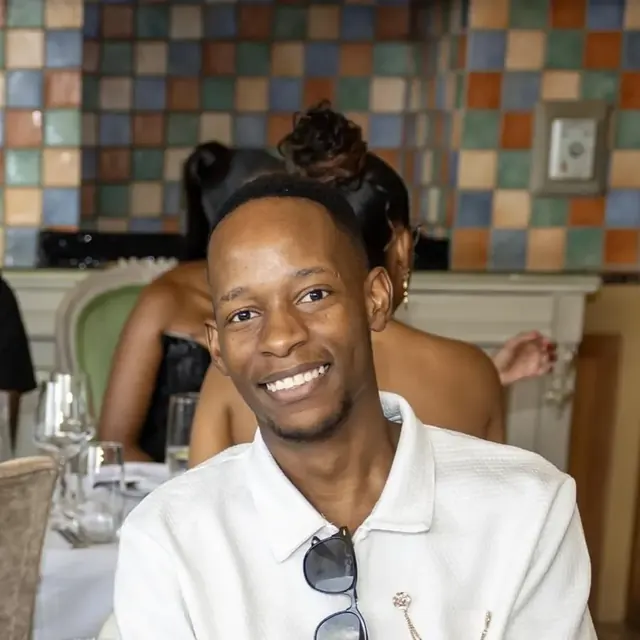
Kau Mohlamonyane

Kau Mohlamonyane

Electronics Engineer

Embedded electronics, PCB development, power systems and hardware integration

Kwanele Mabanga

Kwanele Mabanga

Electrical & Computer Engineer

Computing architecture, electrical systems and PCB advisory

Nick Ndhlovu

Nick Ndhlovu

Mechanical Engineering & Product R&D

Mechanical architecture, thermal management, materials, durability and design-for-manufacture
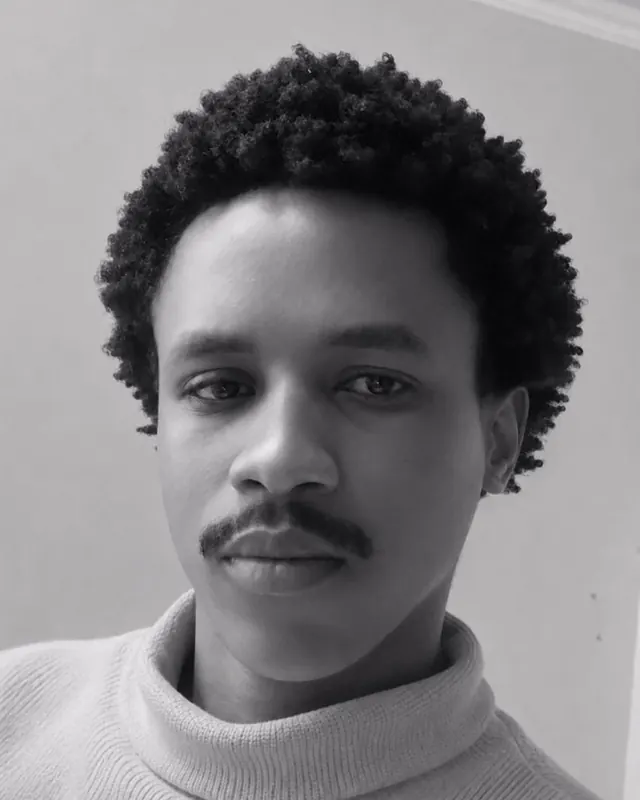
Musawenkosi Somhaya

Musawenkosi Somhaya

Industrial & Product Designer

CAD, ergonomics, physical product design, rapid prototyping and user experience
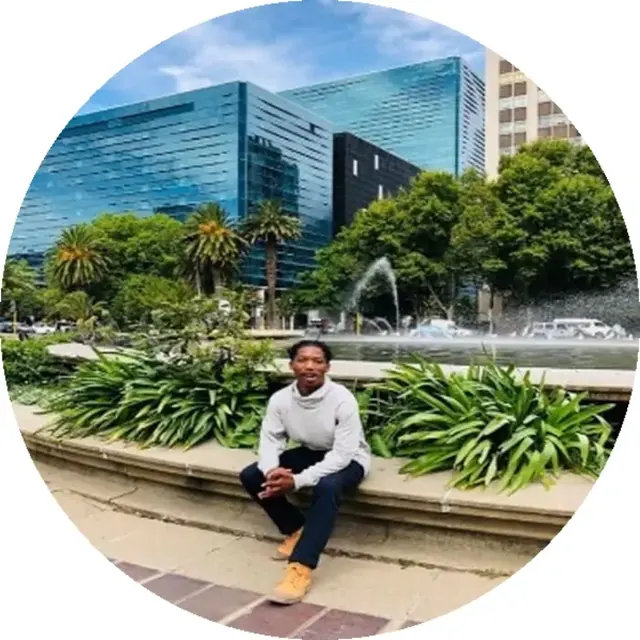
Sinawo Zuba

Sinawo Zuba

Data Science & Algorithmic Systems

Data-driven models and local-language computer-vision mapping
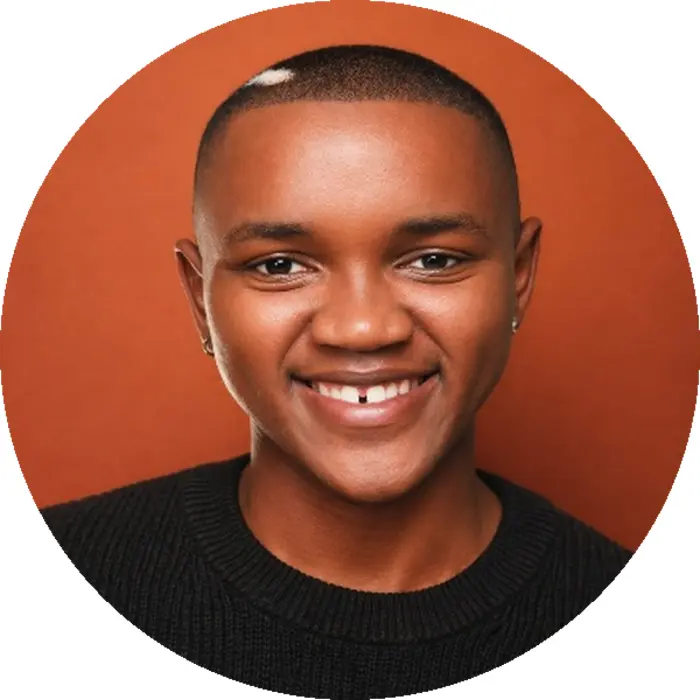
Ovayo Mhlengi

Ovayo Mhlengi

Cloud Systems & Infrastructure

Application infrastructure, connected services and user-data systems
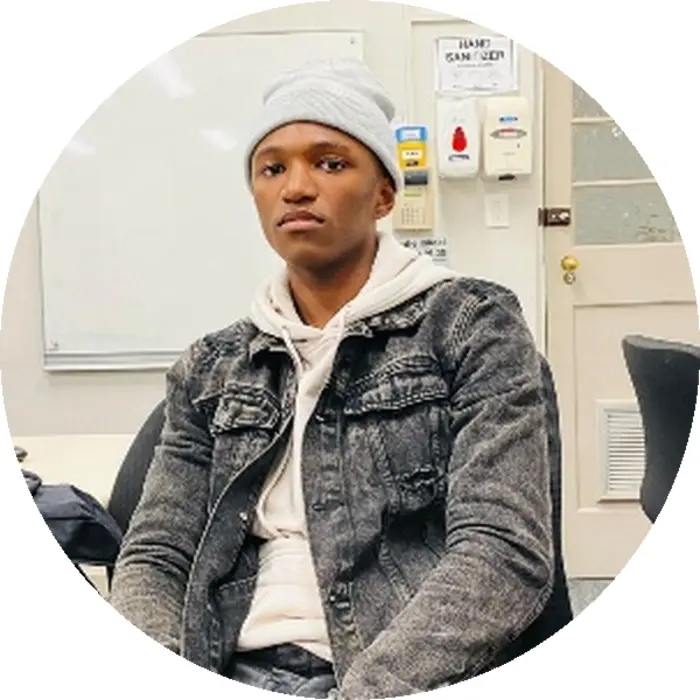
Pheletso Molefe

Pheletso Molefe

Materials Research & Product Sustainability

Material selection, sustainability assessment, product durability and responsible material integration
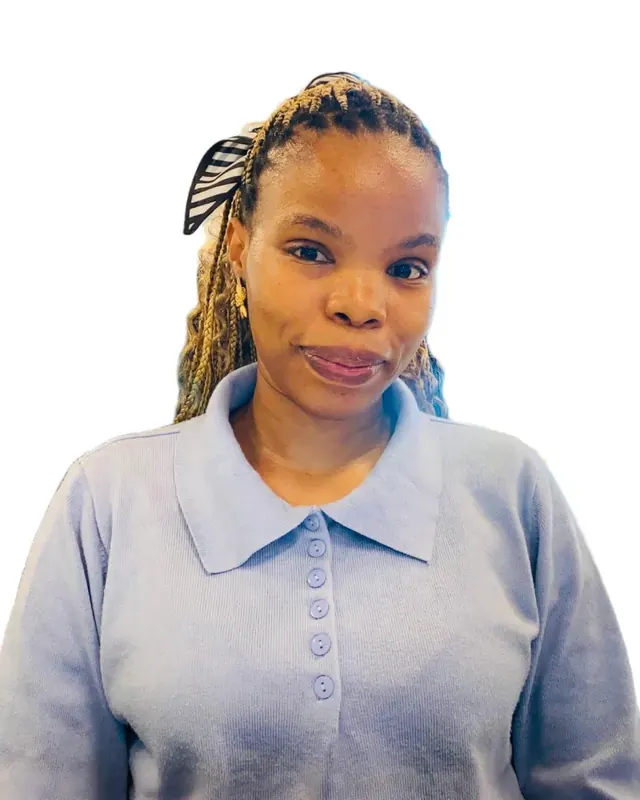
Philasande Tono

Philasande Tono

Finance & Accounting

Bookkeeping, financial records, budgeting and financial management

Software, electronics, mechanical engineering, industrial design, data science, finance and business: one product.

How we work together

Next: real-world validation

15 pilot glasses.
Real users. Real evidence.

A controlled pilot turns public attention into safety data, product decisions and buyer confidence.

6South African languages
10Team members across engineering, design, data and business
100+Automated software tests
15Pilot units in the next validation stage

How the glasses work

The human problem

The problem is
independence—not
blindness.

Many blind South Africans still lack affordable, real-time and language-accessible mobility support. Daily movement can require another person, imported tools can be out of reach, and most AI guidance is not designed around local languages or South African streets.

OUR ROLE ALONGSIDE TRUSTED MOBILITY TOOLS

A cane helps with contact.
Our product adds context.

The system is intended to assist a user’s own mobility skills—not replace a cane, guide dog, orientation training or personal judgement.

How the system thinks

Eyes, intelligence and voice
guidance in one wearable.

Each layer has one job: perceive the environment, interpret what is relevant, communicate it clearly and preserve awareness of the world around the user.

01
▣

Sees

Camera and distance sensing capture the immediate environment.

02
◉

Understands

AI identifies objects, hazards and spatial cues relevant to movement.

03
◒

Speaks

Short voice guidance communicates what matters in South African languages.

04
◔

Protects

Open-ear audio keeps traffic, people and warning sounds audible.

The engineering

How we engineer

Principles before
features.

Assistive technology earns trust slowly and loses it quickly. Four rules shape every engineering decision we make.

Safety before confidence

Warnings always come before directions. The glasses never claim a path is safe, and help is only ever called with the user’s own confirmation.

Privacy by design

The camera assists the wearer—it does not record the people around them. Footage we share publicly is anonymised first.

Built for South Africa

Six languages developed with native speakers, South African names understood, and guidance designed for local streets, taxis and townships.

Evidence before claims

Every capability is tested before it is described. Real-user pilots come before any commercial claim or scale-up.

⌘
Working software prototype

Guidance that stays useful

Turn computer vision into short directional prompts that support the user's own judgement—not replace it.

  • Left, right, forward and stop prompts
  • Real-time scene interpretation
  • Designed to reduce audio overload
✓ WORKING TODAY

Demonstrated software capabilities

  • Python camera-feed prototype
  • Computer-vision object detection
  • Directional audio guidance
  • Android/Kotlin and CameraX development
  • English and isiXhosa foundation
⌁ BEING DEVELOPED

Integrated wearable hardware

  • Purpose-built wearable hardware
  • Electronics, frame and systems integration
  • Expanded native-language voice guidance
  • Power, battery and design-for-manufacture validation
  • 15-unit field pilot and structured user testing
Evidence before claims. The software prototype demonstrates computer vision and directional guidance today. Purpose-built wearable hardware, broader human-recorded language support and field pilots remain in development and validation.
Protected innovation

The innovation is protected.
The sensitive detail stays private.

Our protection strategy covers the invention, brand, software, original content and confidential technical know-how. The website deliberately explains the protection without publishing sensitive engineering detail.

01

Invention & product IP

Formal intellectual-property protection supports the product and invention while development continues.

02

Trademark

The Spectacles4TheBlind SA™ name and visual identity are protected as core company brand assets.

03

Copyright

Original software, website content, product materials, media and authored documentation are protected by copyright.

04

Trade secrets

Confidential methods, engineering information, technical know-how and unreleased product detail remain controlled internally.

Designed for due diligence, not disclosure. Enough information for partners, institutions and funders to understand defensibility—without exposing the technical detail that creates it.

A guided journey

01 · Product experience

See the journey.
Hear the difference.

Choose an everyday moment and a language. This guided simulation shows how the product turns a live scene into focused audio prompts.

Choose a moment

Choose guidance language

English and isiXhosa are in the current prototype; isiZulu, Sesotho, Afrikaans and Sepedi demonstrate the six-language roadmap. Human-recorded isiXhosa, isiZulu, Sesotho, Afrikaans and Sepedi prompts are now integrated into this product simulation.
Outdoor navigation Simulation

Cross a street

The camera interprets the path while voice guidance helps the user respond in the moment.

1Scanning the crossing.
2Person ahead, slightly left.
3Curb detected. Stop.
4Path is clear. Move forward.

NavigationDetectionLanguagesProduct design

Our story

Spectacles4TheBlind SA official logo
About us

Deep technology, built from the Eastern Cape.

Spectacles4TheBlind SA™ (Pty) Ltd is a South African assistive-technology and deep-tech venture developing multilingual AI smart glasses for blind and low-vision people. The company combines computer vision, voice interaction and a pathway toward purpose-built wearable hardware.

What began as a Grade 11 idea in Mdantsane—shaped by Elihle Amahle Stali’s late blind grandmother—has grown into a multidisciplinary venture with working software, national recognition, international exposure and an engineering pathway toward real-world pilot devices.

OUR VISION

Independent movement should not depend on language, geography or imported privilege.

We envision African assistive technology that is trusted locally and relevant globally.

OUR MISSION

Build multilingual AI smart glasses through responsible engineering and user evidence.

We translate computer vision into practical guidance while protecting dignity and awareness.

OUR COMPANY

African-led software, hardware and accessibility innovation.

Product direction, software and IP remain internal while specialist partners support engineering and manufacturing.

Elihle Amahle Stali, Founder and CEO
Meet the founder

Elihle Amahle Stali

Founder & CEO · Software, AI and Product Strategy

“My goal is not simply to launch a pair of smart glasses. It is to build an African assistive-technology company whose product is trusted, accessible, multilingual and technically excellent.”
▶ FOUNDER STORY

CGTN feature on Elihle Amahle Stali and the vision behind Spectacles4TheBlind SA.

02 · Momentum

From a Grade 11 idea
to a national mission.

Spectacles4TheBlind SA is moving from a founder-built software prototype toward purpose-built, testable and manufacturable smart eyewear.

“The vision began at 17 in Mdantsane: use technology to make everyday movement more accessible, more local and more human.”

Elihle Amahle Stali
Founder & CEO · Global Innovator

~R163kCrowdfunding support signal
Top 150LEAP global finalist
NationalMedia and ecosystem attention
ChinaManufacturing pathway
How the team executes

One product.
Shared engineering decisions.

Progress happens when software, electronics, mechanics and human-centred design are reviewed together. A change to processing power affects battery life and heat; a change to the frame affects camera position, comfort and manufacturability.

01

Product intelligence

Software, AI, computer vision and multilingual guidance define what the product must do for the user.

02

Embedded electronics

Compute, cameras, sensors, audio, battery power and PCB interfaces create the electronic platform.

03

Physical product

Mechanical engineering and industrial design turn components into a wearable, durable and usable form.

04

Validation

Bench testing, integration reviews and user evidence reveal what must change before a pilot build.

WORKING NOWSoftware prototype
NEXT TESTEmbedded bench prototype
ENGINEERINGIntegrated wearable prototype
VALIDATION15-unit pilot

Internal capability, strengthened by specialist partners. The team develops and reviews the product internally, South African engineering firms support detailed verification and development, and manufacturing partners support sourcing, fabrication and assembly when the package is ready.

Media & recognition

Media & product story

Built in public.
Proven through real-world signals.

Six perspectives on the same mission: the technology working, the founder story behind it, and independent broadcast coverage of the venture.

01

Product & prototype

See the technology working.

RECORDED SOFTWARE TEST · PEOPLE IN MOTION

Live people and object detection

Recorded in a busy restaurant: the software detects people as they walk through the scene, alongside chairs, tables and everyday objects—each with a confidence score.

BENCH TEST · EMBEDDED COMPUTER

Running on the embedded computer

The glasses software running on a compact embedded computer with a real camera, scanning an office, a desk area and a staircase. Bench test by electronics engineer Kau Mohlamonyane.

02

Television & news

Independent coverage of the mission.

CGTN FEATURE

Founder story on CGTN

A closer look at the vision, journey and work behind Spectacles4TheBlind SA.

NEWZROOM AFRIKA

AI smart glasses on Newzroom Afrika

A national interview on the innovation, its South African roots and the growing global interest around the venture.

SABC FEATURE

SABC coverage

A national broadcast conversation on the mission, product journey and impact behind Spectacles4TheBlind SA.

SABC LEHAE

Global impact featured on SABC Lehae

Coverage following the venture's LEAP East Hong Kong journey and growing international exposure.

03

Radio

The story, in conversation.

LEAP East Hong Kong · Global exposure

From the Eastern Cape
to the global deep-tech floor.

This one-minute field diary captures Spectacles4TheBlind SA at LEAP East in Hong Kong—meeting innovators, exploring emerging hardware and representing a South African assistive-technology vision on an international stage.

Hong Kong LEAP East Deep tech Global ecosystem
01:00 · FIELD EXPERIENCE
Public traction

Built beyond the lab.

The venture has grown through public entrepreneurship platforms, media coverage, founder storytelling and conversations with partners—while the product itself remains carefully staged and technically controlled.

TV

Television

National and international broadcast coverage has helped communicate the mission and founder story.

Watch SABC News ↗
RADIO

Radio

Public conversations have expanded awareness of accessible technology built from South Africa.

Listen on Metro FM ↗
SOCIAL

LinkedIn

Follow company updates, milestones and partnership announcements on our official company page.

Visit LinkedIn ↗
Selected recognition

External signals of momentum

2019

Eskom Expo for Young Scientists

Silver Medal · early recognition of the innovation

2023

EDHE National Champion

Intervarsity entrepreneurship recognition

2023

GIBS Top 12

Festival of Ideas

2026

Standard Bank Top 10

Kasi SME programme · Eastern Cape

2026

LEAP Global Top 150

AI & Deep Tech finalist · Hong Kong

2026

Shining World Invention Award

International recognition for the smart-glasses innovation

2026

Africa AI Future Awards

Young AI Innovator (Under 30) nominee

Product vision film · 00:36

See the form-factor ambition.

This film visualises the intended direction: discreet eyewear, integrated sensing and open-ear guidance. It is a concept visualisation and does not represent final engineering specifications or a manufactured production unit.

CONCEPT VISUALISATION

Final hardware remains subject to engineering, validation and user testing.

Pilot & market

The next measurable milestone

15 pilot glasses.
Real users. Real evidence.

A controlled pilot converts public attention into safety data, product decisions, buyer confidence and a responsible commercial plan.

01

Engineering review

Confirm requirements, BOM, PCB path, battery and frame constraints.

02

Build 15 pilots

Produce a controlled small batch for structured field testing.

03

User validation

Measure safety, confidence, language quality, comfort and reliability.

04

Commercial proof

Validate pricing, secure buyer evidence and define the next production plan.

Pilot with us

Help shape the next
real-world validation stage.

Spectacles4TheBlind SA is collecting expressions of interest from organisations that may be suitable for future prototype and pilot testing.

Schools for the blind NGOs Rehabilitation organisations Clinics & hospitals Universities Accessibility programmes
This is an expression of interest—not a promise of immediate product availability.

Potential pilot partners will be considered as engineering, safety validation, hardware readiness and testing plans progress.

Submitting this form registers interest only. It does not guarantee selection, product supply or a pilot date.

Market & commercial pathway

Users need access.
Institutions create scale.

People whose independence comes first

Blind learners, students, workers and adults are the primary users—not an abstract market segment.

▱

Learners & students

Mobility support across schools, campuses and training environments.

⌘

Workers & commuters

Contextual guidance for unfamiliar routes, workplaces and transport.

♿

Adults & families

A practical assistive option built around dignity, privacy and confidence.

Eastern Cape pilots→National institutions→African markets
Funding the path to readiness

Capital follows engineering gates.

The company’s current planning uses phased supplier estimates rather than pretending a final unit price exists before the BOM and manufacturing pathway are validated.

R500k–R1mIndicative engineering range*
R55k + VATBMEC discovery estimate*
*Supplier estimates subject to scope and formal quotation. Final unit pricing follows engineering validation and pilot evidence.

Company updates

Progress, not noise

Where we are
right now.

Real milestones, shared openly. We publish what we have achieved—not how we achieve it. Technical detail stays protected and is shared with partners under NDA.

Prototype running on wearable-ready hardware

Our guidance software has moved off the laptop and is now being tested on compact hardware with a real camera—the first step toward the glasses themselves.

Awareness of people and objects in motion

The prototype gives short spoken alerts about the people and objects around the user, whether they are walking or standing still.

Guidance in six South African languages

English, isiXhosa, isiZulu, Sesotho, Sepedi and Afrikaans—developed with native speakers so the guidance sounds natural, not translated.

Walking navigation with safety check-ins

The prototype guides walking routes, checks in on the user along the way and, when asked, helps them reach a trusted person or emergency services.

Team strengthened in engineering and finance

Mechanical engineer Nick Ndhlovu and finance lead Philasande Tono joined the internal team as we prepare for pilot production and partnerships.

A 15-unit pilot with blind and low-vision users

Our next milestone is a small, structured pilot with real users—before any commercial launch or scale-up.

Partner with us

03 · The next chapter

Help bring the vision
from prototype to product.

We are preparing a 15-unit pilot, structured testing with blind and low-vision users, and a responsible path from detailed engineering to procurement-ready evidence.

Send us your partnership enquiry below. Every genuine message is reviewed by our team, and we’ll respond using the email address you provide.

Prefer email? info@spectacles4theblindsa.co.za